Introduction: Why “Organic” Matters in Sleep
In the quiet hours of the night, the bed beneath us becomes a stage for comfort, health, and the choices we make about the materials that cradle our bodies. The term organic, when applied to mattresses, signals more than a marketing label; it promises a chain of stewardship—from the fields where cotton is grown to the factories where latex is harvested, processed, and assembled. This guide builds a framework for evaluating organic mattresses with an eye toward long-term sleep quality, chemical safety, and sustainability.
The modern consumer is offered a spectrum of claims: organic cotton, natural latex, wool insulation, and various certification stamps. Yet certifications are only as meaningful as the stringency behind them and the transparency of the producers. The following sections unpack the core materials, certifications, and practical considerations that help you choose a bed that supports not only a good night’s rest but a healthier planet.
Core Organic Materials and Their Sleep Impacts
A mattress’s organics begin at the fiber and core level. Organic cotton often serves as a breathable, low-irritant cover. Natural latex, harvested from rubber trees, can offer responsive support with a different ecological footprint than synthetic foams. Wool, when used as insulation, contributes to temperature regulation and moisture management. Each material has a distinct profile in terms of comfort, durability, and ecological impact.
- Grown without synthetic pesticides, often softened through mechanical processing rather than chemical additives. It tends to be breathable and skin-friendly, ideal for sleepers with sensitivities.
- Derived from rubber tree sap, it can provide buoyant, durable support with varying degrees of bounce. Look for certifications that verify the absence of thuộc (deforestation risks) and toxic additives.
- A natural insulator that regulates temperature and wicks moisture, helping to keep the sleep environment balanced without relying on synthetic fire retardants.
- In organic systems, you’ll encounter innerspring coils, natural latex layers, or other resilient cores designed to meet targeted firmness and spinal alignment needs.
Certifications: What to Look For and Why They Matter
Certifications serve as a map of rigor, but the map’s value lies in understanding what each stamp means. Key certifications to watch for include:
- Focuses on organic textiles, including cotton, and sets standards for environmental and social criteria in the finishing of textiles used on the mattress cover.
- Verifies that natural latex is produced using organic practices and certified to meet strict content and processing standards.
- For mattresses that include foam components, look for certifications that verify the absence of ozone-depleting substances, flame retardants, and certain volatile organic compounds.
- Signifies a focus on non-toxic substances and avoidance of known harmful chemicals in the product assembly.
While a certification can provide confidence, it is not a substitute for asking direct questions of retailers or manufacturers about sourcing, processing, and end-of-life plans. The most responsible brands will gladly share supplier lists, certifications’ scope, and the lifecycle considerations of their mattresses.
A Practical Checklist for Retailers and Consumers
Before you buy, use this quick checklist to assess whether an organic mattress aligns with your health and sustainability goals:
- What certifications does the mattress carry, and what exactly do they cover (materials, processing, and supply chain)?
- Are the outer fabrics organic, and what is the weave, breathability, and cleaning guidance?
- Is the latex, if used, natural and certified, and what is the density and thickness of the latex layer?
- What is the durability profile of the core, and how does it support alignment for your sleep posture?
- What is the company’s policy on proper disposal or recycling at the end of life?
A Sense of History: Three Voices Across Time
The conversation about comfort, health, and materials is not new. Across centuries, thinkers, designers, and scientists have influenced how we think about sleep ecosystems. Here are three key individuals from different eras who illuminate the throughlines of this conversation.
- Hypatia of Alexandria (c. 370–415 CE): A scholar who championed empirical reasoning, Her approach to understanding the natural world laid groundwork for careful observation—an ethos that translates into a modern, evidence-informed view of sleep health and material safety.
- Florence Nightingale (1820–1910): A nurse who linked environmental conditions to patient well-being, Nightingale’s emphasis on hygiene, light, and air quality informs today’s focus on breathable, hypoallergenic bed textiles and clean sleeping environments.
- Henry Ford (1863–1947) and the Industrial Design Movement: While known for mass production, Ford’s era catalyzed attention to durable, well-engineered furniture—an influence echoed in today’s durable, sustainably built beds such as solid-wood platforms and low-VOC finishes.
In a modern context, these voices remind us that design and comfort are inseparable from health and stewardship. When evaluating an organic mattress, you aren’t just choosing a product; you’re engaging in a long line of inquiry about how our daily rituals intersect with the broader world.
Contemporary Voices: Experts Shaping the Organic Mattress Landscape
Today’s sleep science community and design professionals offer practical insights that help consumers discern quality beyond marketing slogans. Consider these contemporary perspectives:
- Sleep Scientists: Researchers who study the impact of temperature, humidity, and mattress resilience on sleep architecture highlight the importance of breathable covers and materials that regulate microclimates.
- Materials Engineers and Product Designers: Professionals who optimize core materials for durability and comfort emphasize the tradeoffs between springs, latex, and foam, especially in relation to environmental footprints and end-of-life strategies.
- Local Craft and Sustainable Brands: Small and mid-sized brands that prioritize transparent supply chains and artisanal craftsmanship illustrate how sustainability can be integrated into product longevity and regional identity.
Case Study: A Modern Organic Bed That Bridges Craft and Science
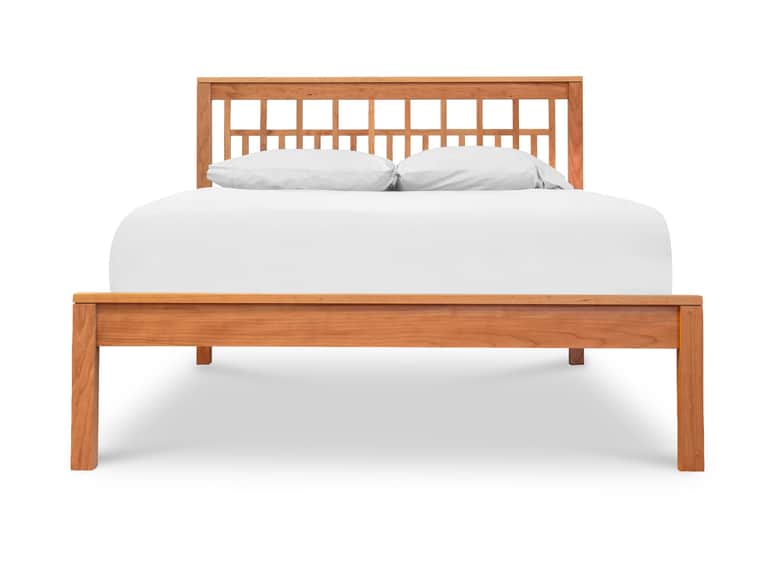
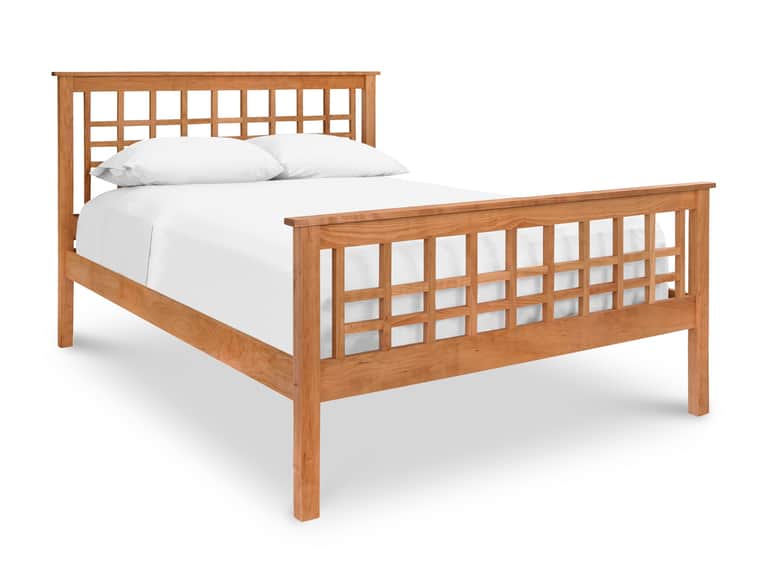
Among the products that exemplify a thoughtful approach to organic sleeping surfaces is a bed that aligns traditional solid-wood craftsmanship with modern, eco-friendly finishes. The Modern American Trellis Low Footboard Bed from Vermont Furniture Designs offers a durable, timeless silhouette with an eco-friendly finish. Its solid hardwood construction and linseed oil–based wax treatment embody a commitment to longevity and low chemical impact, a design ethos that mirrors the broader organic mattress philosophy.
Material choices matter not only for aesthetics but for the long-term health of sleepers and the planet. A bed like this pairs well with organic mattresses that share in the same commitment to responsible sourcing. When you place a sustainably finished bed beneath a mattress built with natural latex or organic cotton covers, you create a sleep ecosystem that is coherent from top to bottom.
Modern American Trellis Low Footboard Bed
Vermont Furniture Designs • Solid hardwood with no-VOC finish
Price: $3,176.00
Closing Thoughts: Making Smarter Sleep Choices
Choosing an organic mattress is a decision about sleep health, personal comfort, and environmental responsibility. It invites a disciplined approach to research, a curiosity about materials, and a willingness to invest in a healthier sleep future. As the world increasingly prioritizes sustainable living, the mattress becomes a focal point where science, craft, and conscience converge.
Whether you are in Bristol or Boston or anywhere in between, the guiding principle remains the same: scrutinize materials, examine certifications with a critical eye, and select products that align with your values and your body’s needs.